Technical write-up
The problem
Property owners needed to open, close and schedule their water supply remotely, in places with no Wi-Fi and patchy mobile coverage. The device had to recover on its own, because nobody drives out to reboot a valve.
Firmware
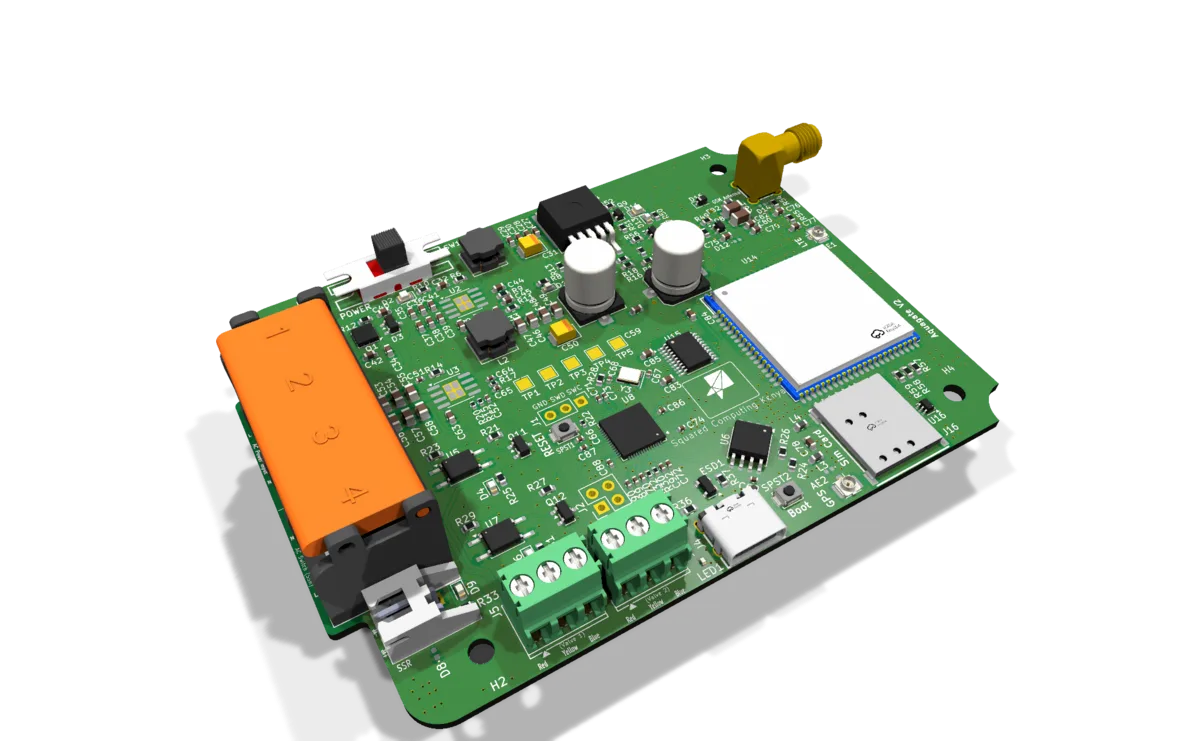
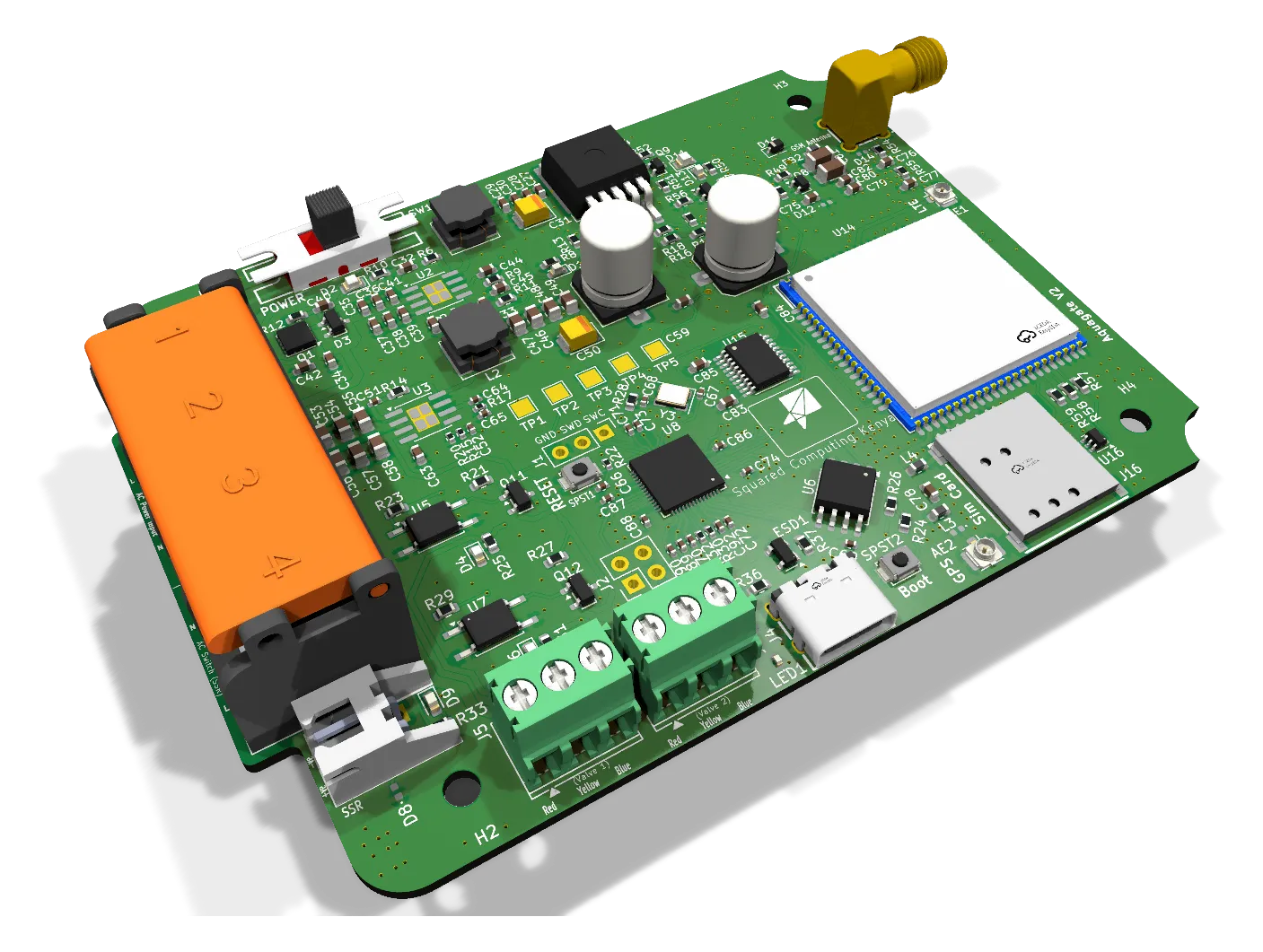
- Zephyr on an RP2040, connected over LTE Cat-1 with a SIMCom A7670E modem: PPP for the link, then MQTT with protobuf messages.
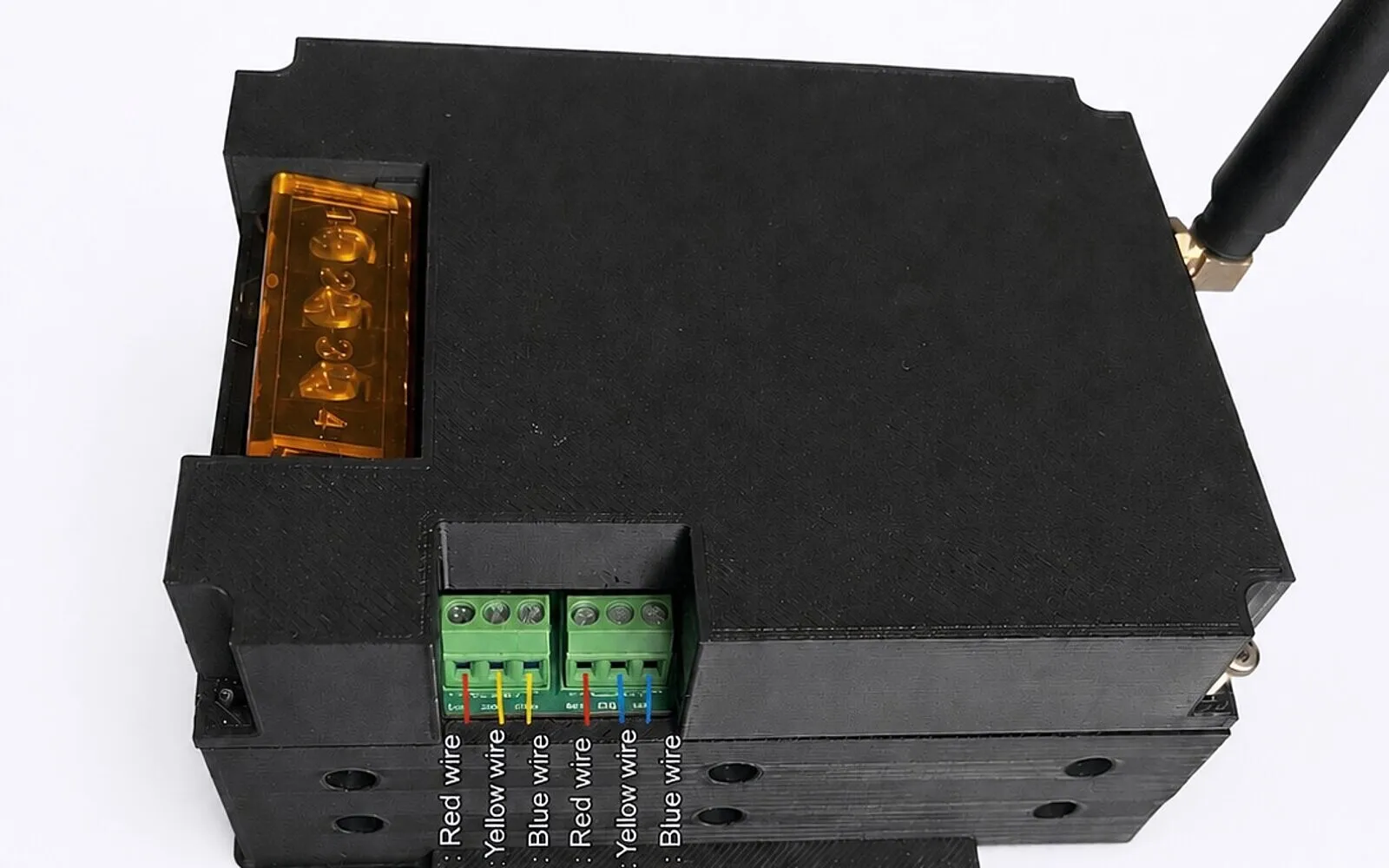
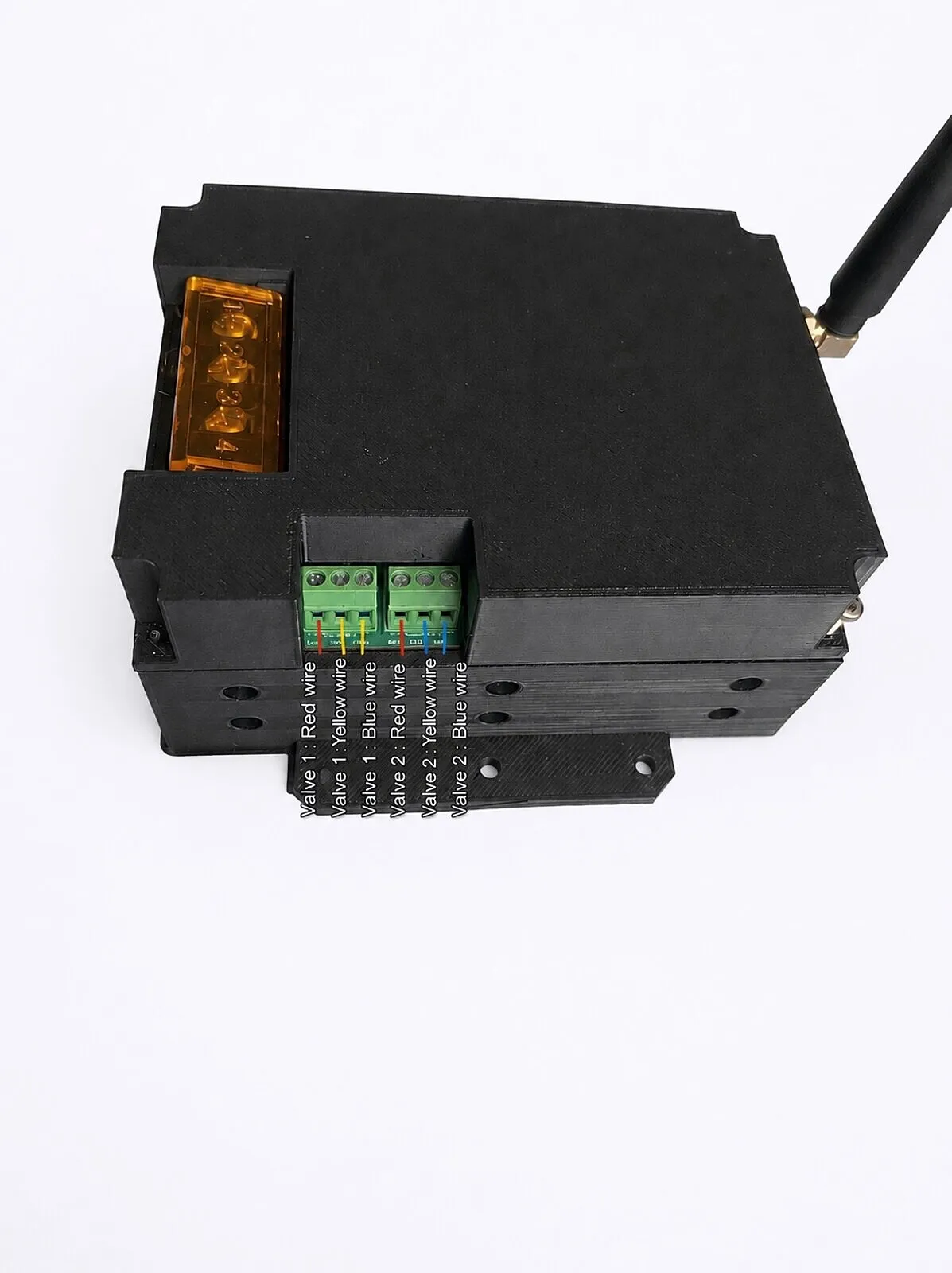
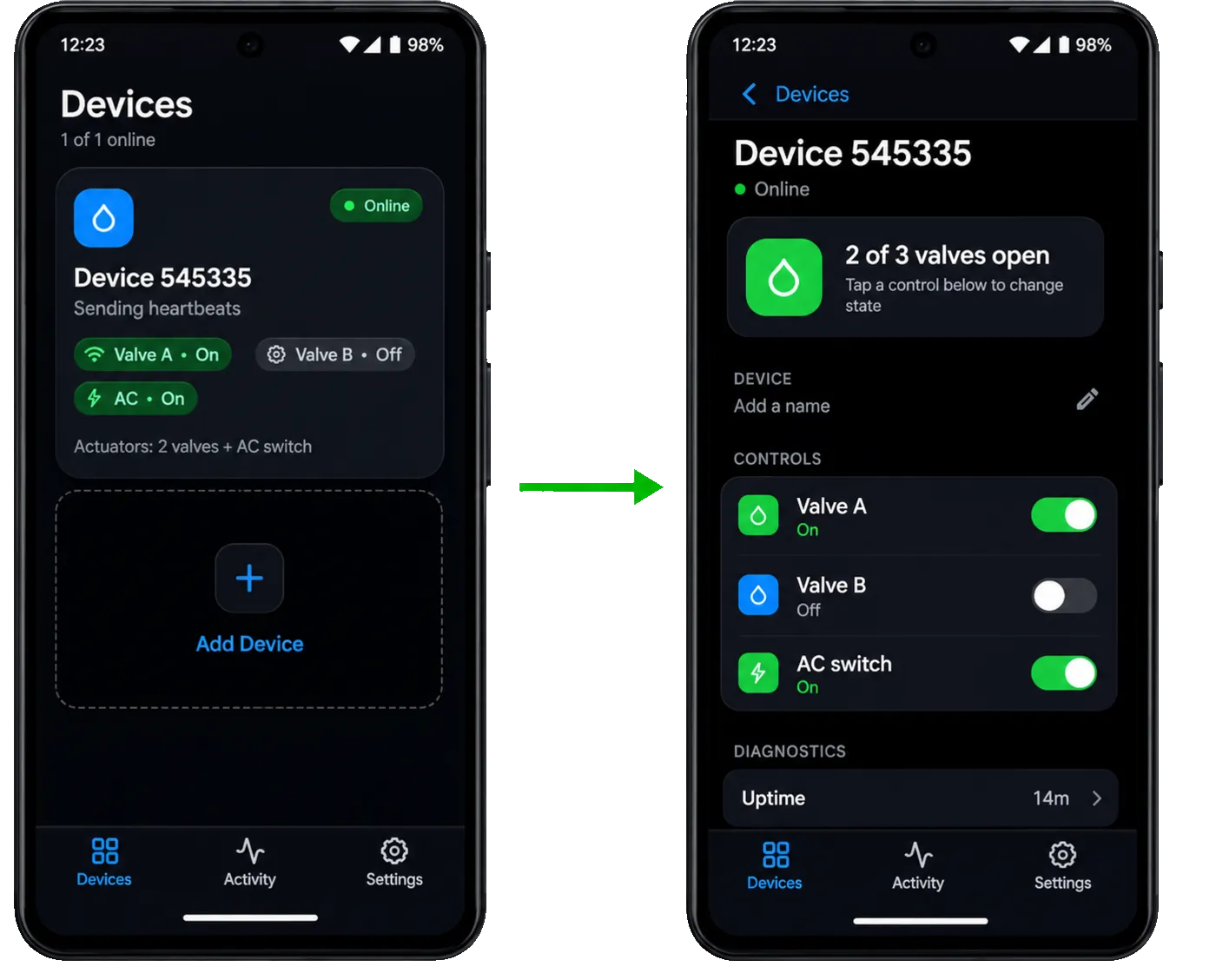
- Outputs: two motorised valves and an AC switch.
- Recovery: per-thread watchdogs and a four-level ladder, from letting the driver redial up to power-cycling the modem.
- Soak testing on real networks, with devices left running for days at a time.
Hardware
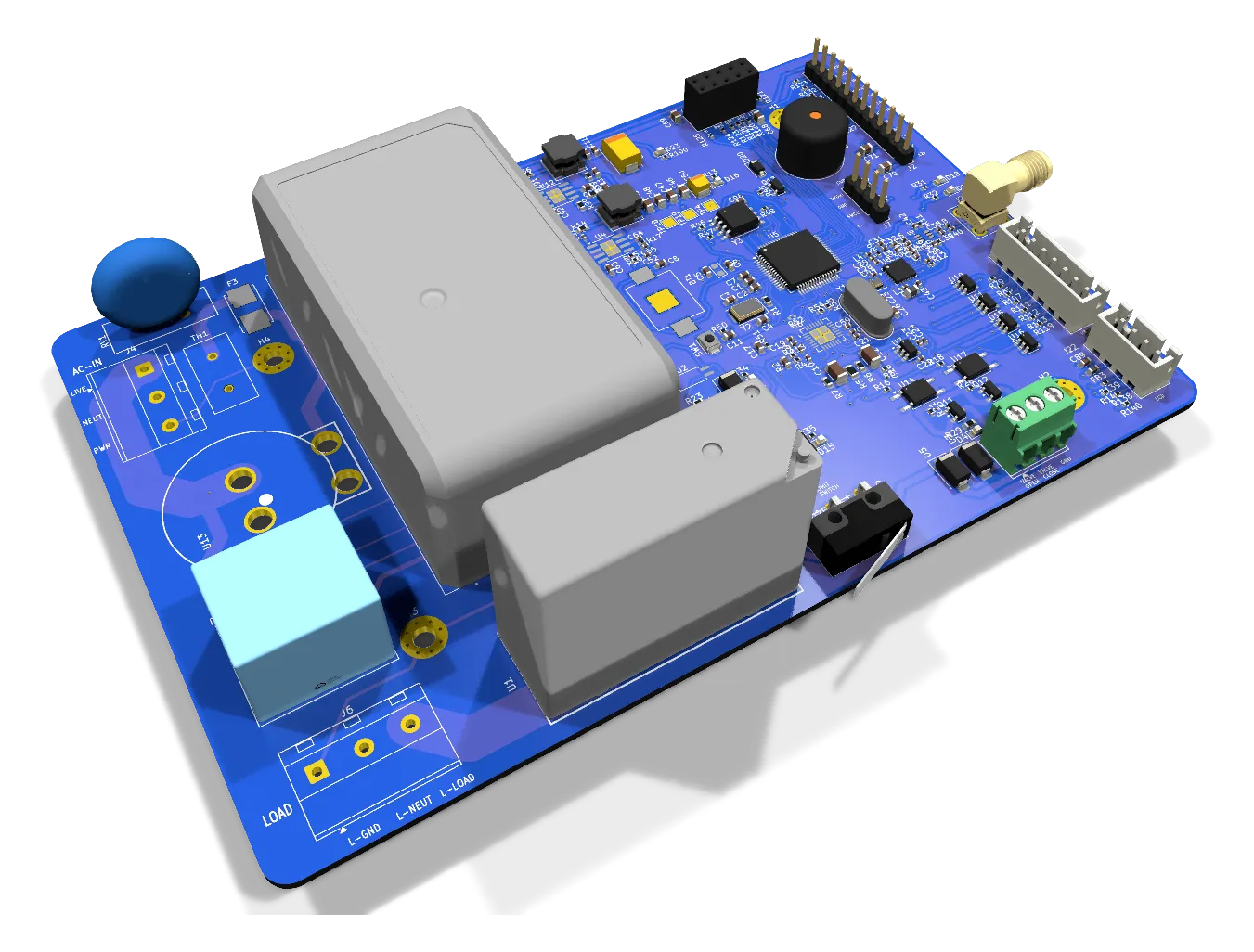
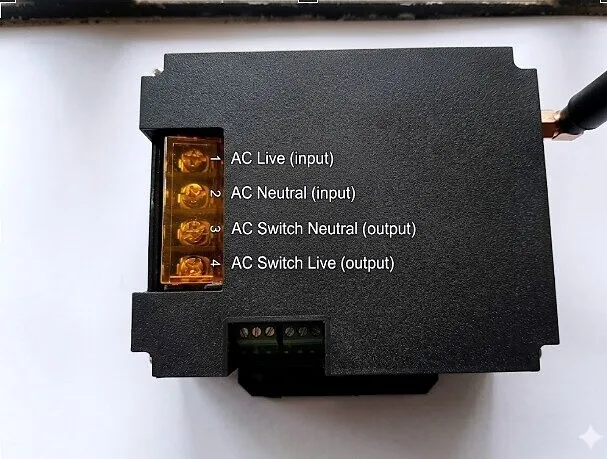
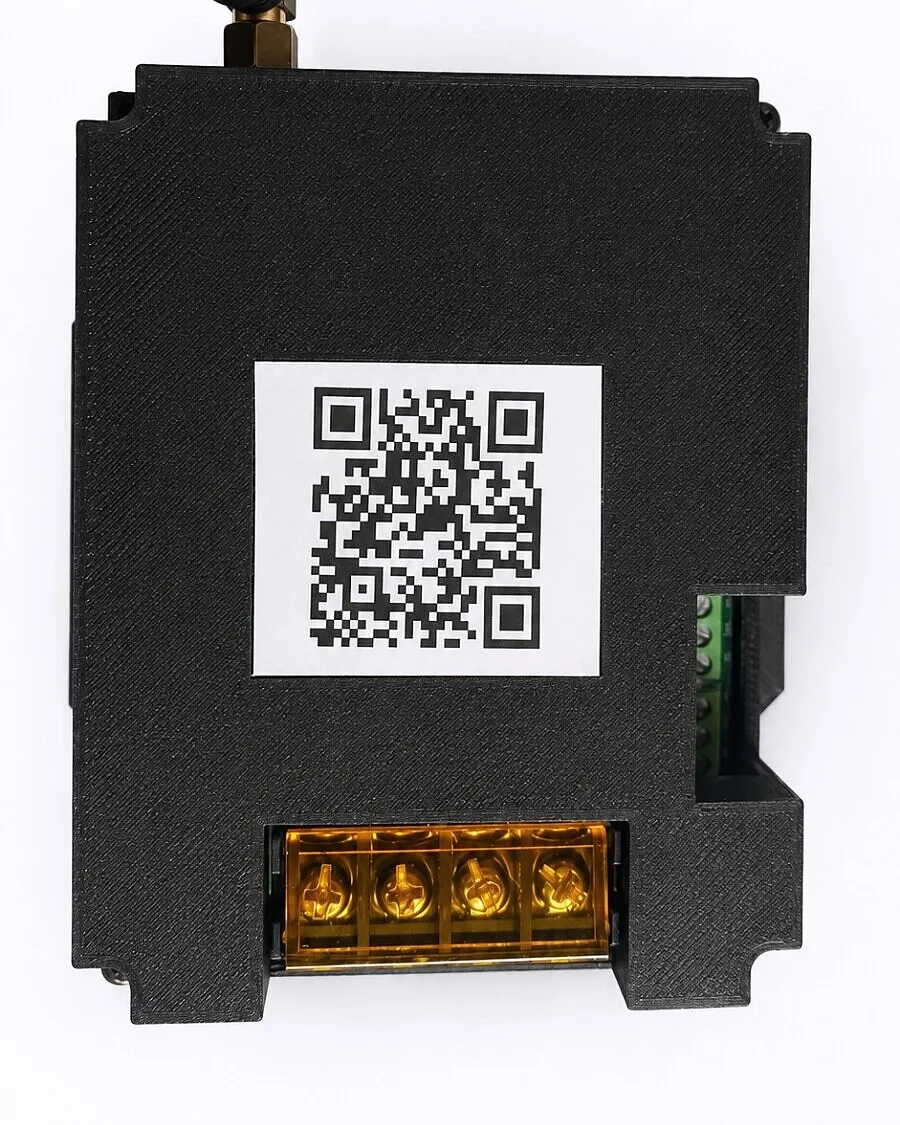
The controller PCB is designed in KiCad. The enclosure is designed around it in SolidWorks and 3D-printed, with labelled terminals for the valves and the mains side.
Backend and app
- Go service for accounts, device ownership and roles.
- Telemetry written to InfluxDB, with Grafana dashboards for the fleet.
- SquaredIoT app built with React and Capacitor, for Android and the web: scan the QR code to claim a device, see live status, send commands.
What it led to
Aquagate proved the hard parts: cellular links that heal themselves, device claiming, fleet telemetry and an app owners use. SQMeter builds on the same platform and adds metering and prepaid credit.