Aquagate
Embedded firmware
Firmware that runs unattended and recovers on its own.
Our devices sit in markets, malls and plant rooms where nobody is on hand to reboot them. We write firmware for that: watchdogs on every thread, recovery paths for every link, and protocols shared with the backend so the two cannot drift apart.
Zephyr and RTOS firmware
Most of our microcontroller work is on Zephyr, with ESP-IDF and the ESP8266 RTOS SDK where Espressif parts fit better.
- Zephyr on RP2040 for the Aquagate LTE controller
- Zephyr on an STM32F407 bridge that routes CAN, nRF24, Wi-Fi and RS485
- ESP-IDF and ESP8266 firmware for sensor and actuator nodes
- Per-thread watchdogs and explicit state machines
Where we've done thisAquagate case studySQOasis case study
Drivers and low-level work
When a part has no driver, we write one, and we document what we learn on the way.
- An nRF24L01 driver and a custom RP2040 board definition for Zephyr
- Writing to the RP2040 boot flash while executing from it
- Kernel module support for the A7670E LTE modem on a Raspberry Pi
- A fragmentation protocol for messages longer than a CAN frame
Where we've done thisRP2040 QSPI flashA7670E driver supportCAN fragmentation
Embedded Linux
Our kiosks and HMIs run Linux. We build the images, cross-compile the applications and keep the services running.
- Custom Yocto (Scarthgap) images for the Raspberry Pi CM4 and BeagleBone Black from one setup
- Qt 6 cross-compiled for ARM64 against a Raspberry Pi sysroot in Docker
- Applications run as systemd services that restart on failure
- Weston on Wayland with a custom boot splash, booting straight into the app
Where we've done thisMulti-board Qt 6 with YoctoParcelPoint case study
Links that heal themselves
Cellular coverage in the field is patchy, so recovery is part of the design rather than an afterthought.
- LTE Cat-1 over PPP with a SIMCom A7670E, then MQTT with protobuf messages
- A four-level modem recovery ladder, from a driver redial to a power cycle
- Offline-first kiosks that queue events and resynchronise on reconnect
- Soak tests on real networks before devices ship
Where we've done thisAquagate case studyCellular on a Raspberry Pi 4B
Tools we use for this
- Zephyr
- ESP-IDF
- STM32
- RP2040
- ESP32
- C
- C++
- Yocto
- Raspberry Pi OS
- systemd
- Docker
Related work
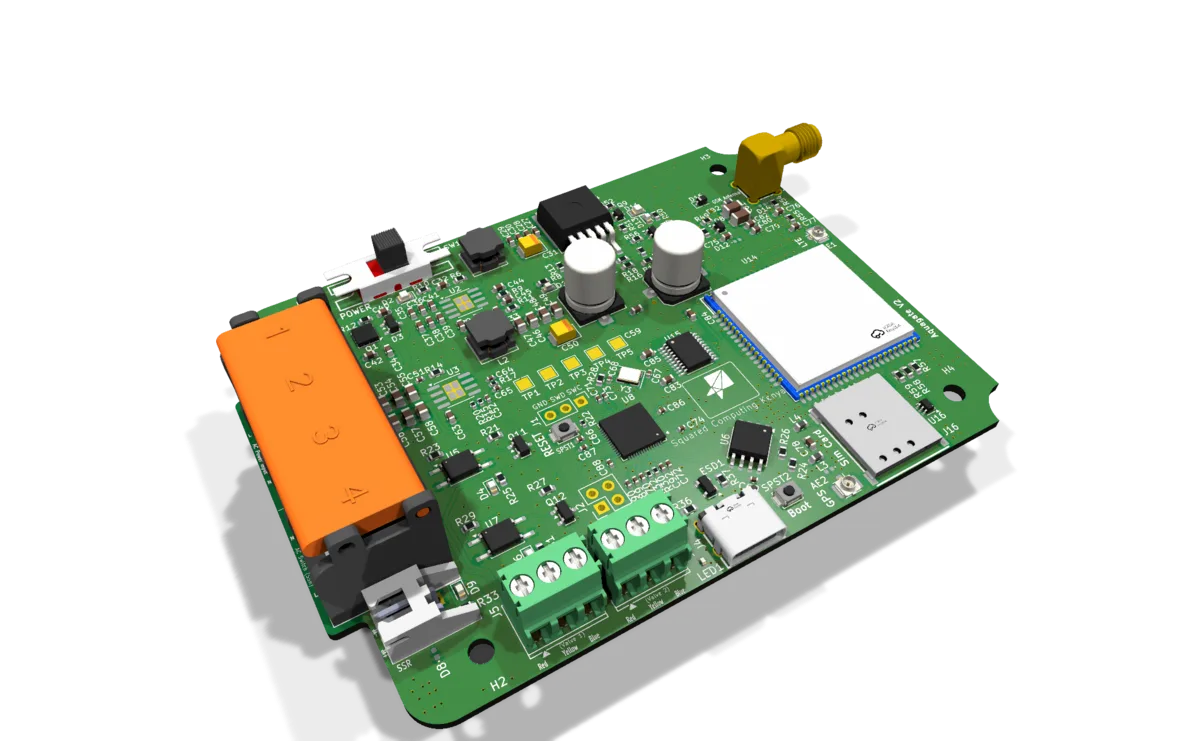
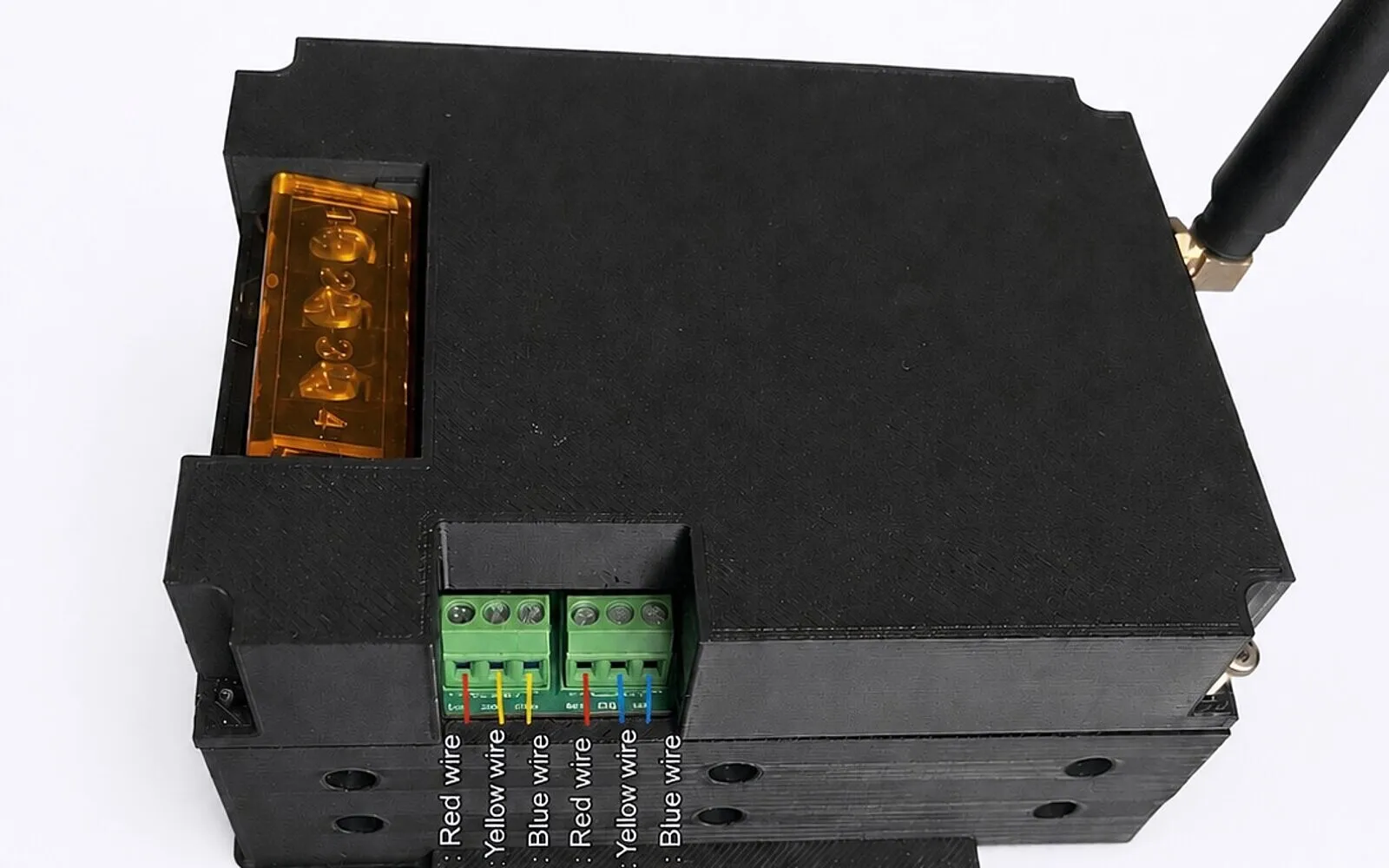
SQOasis
Four transports, one bridge, one touchscreen.
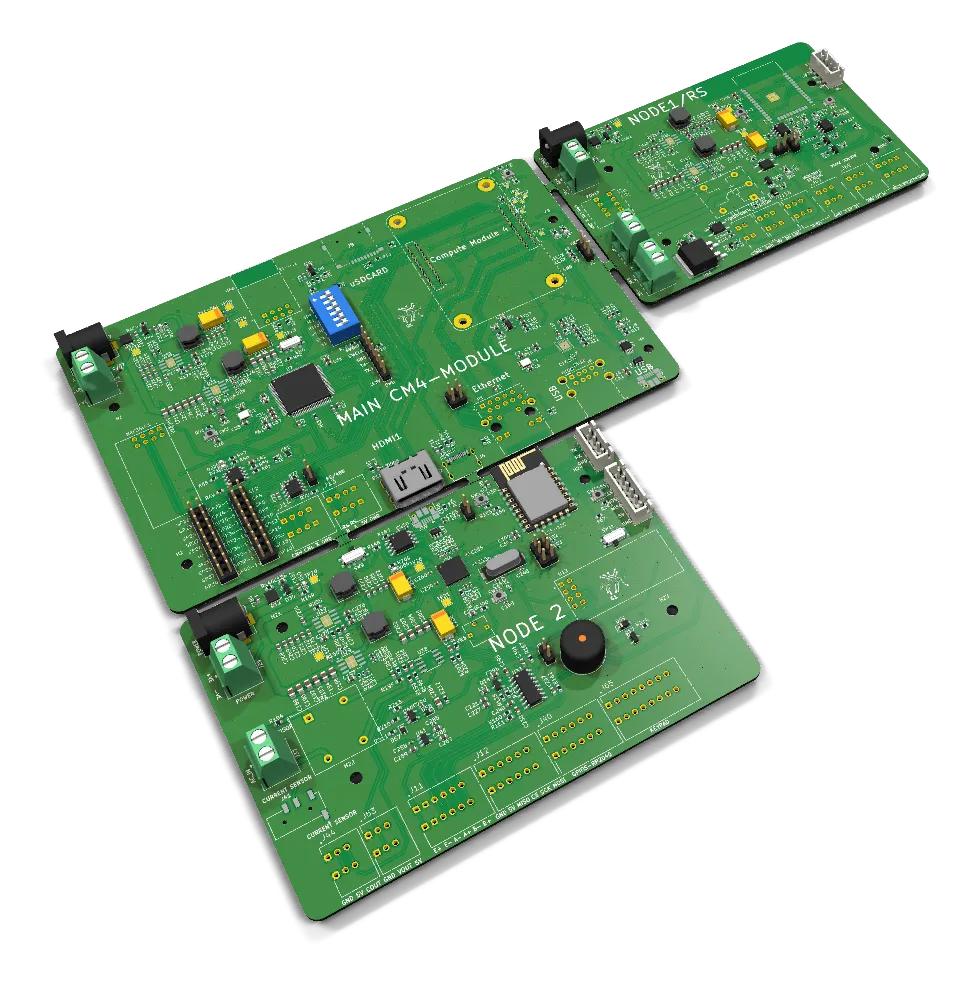
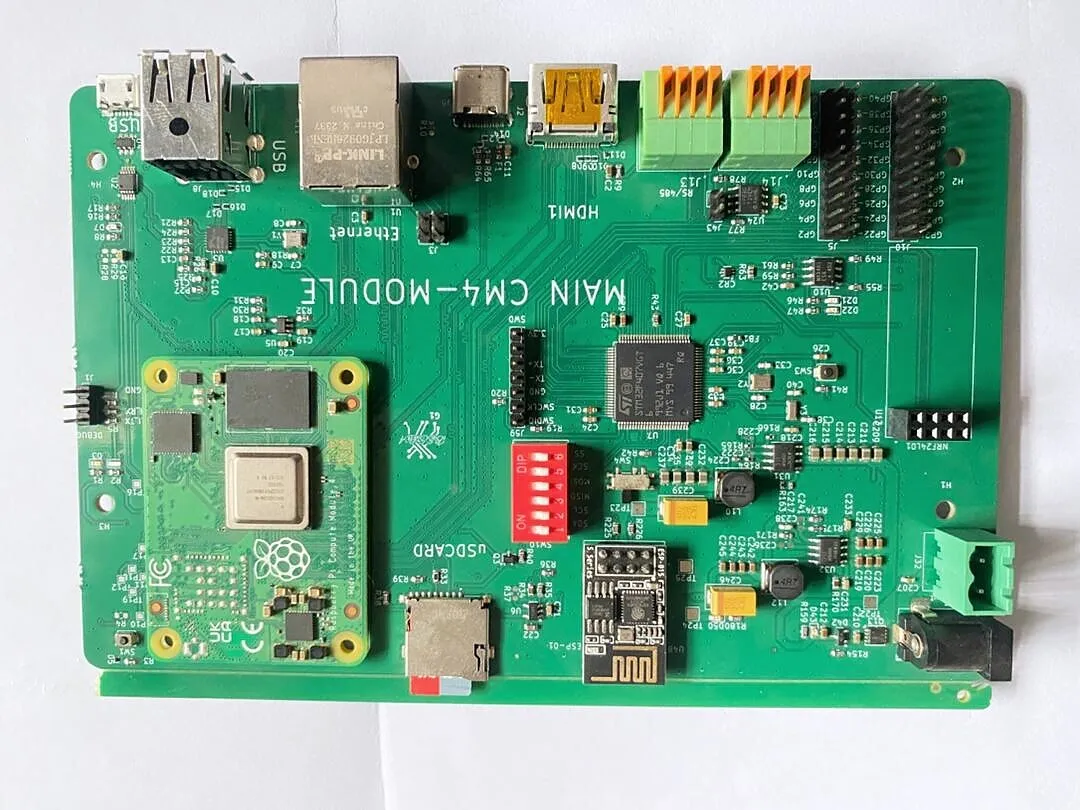
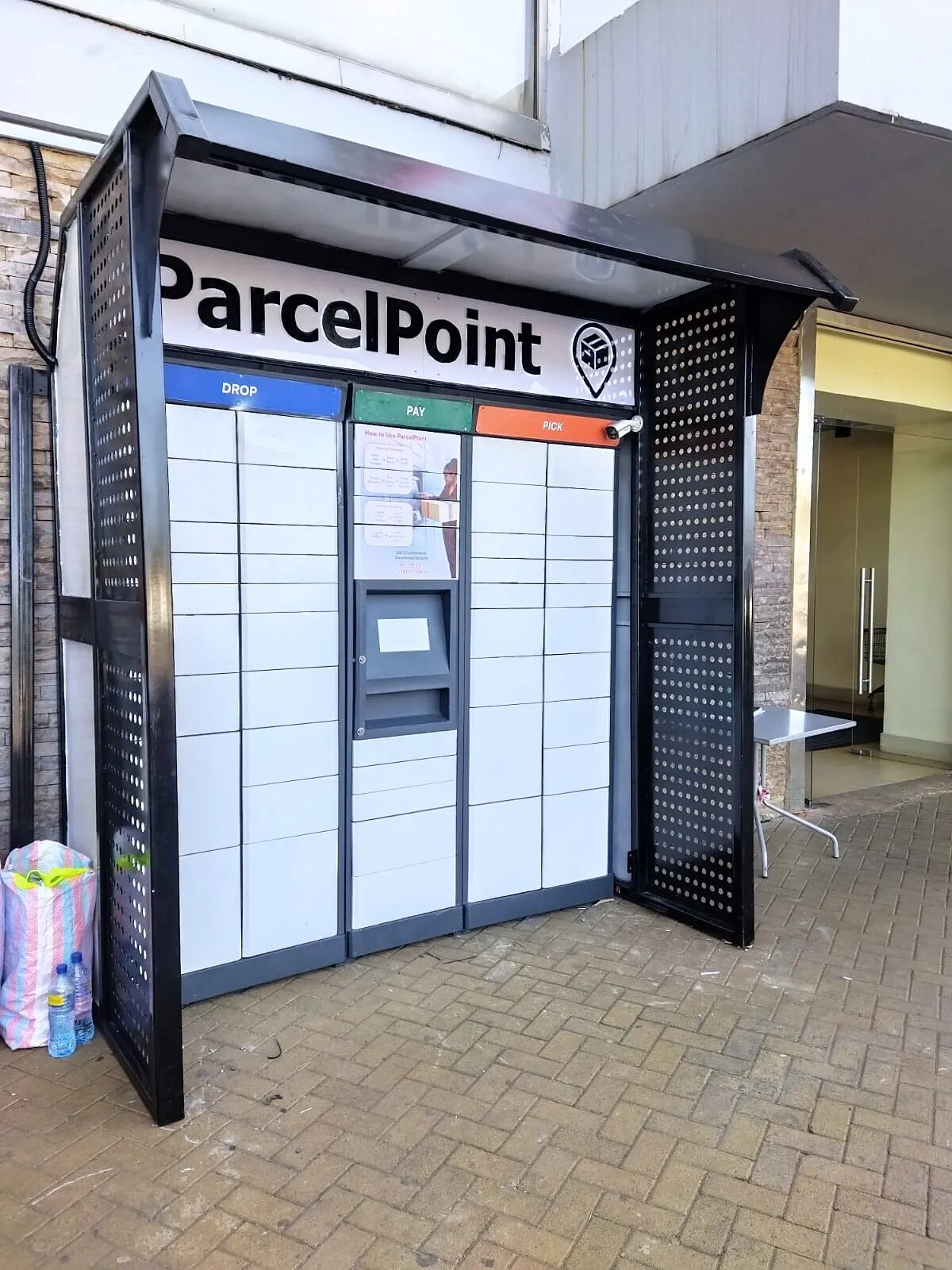
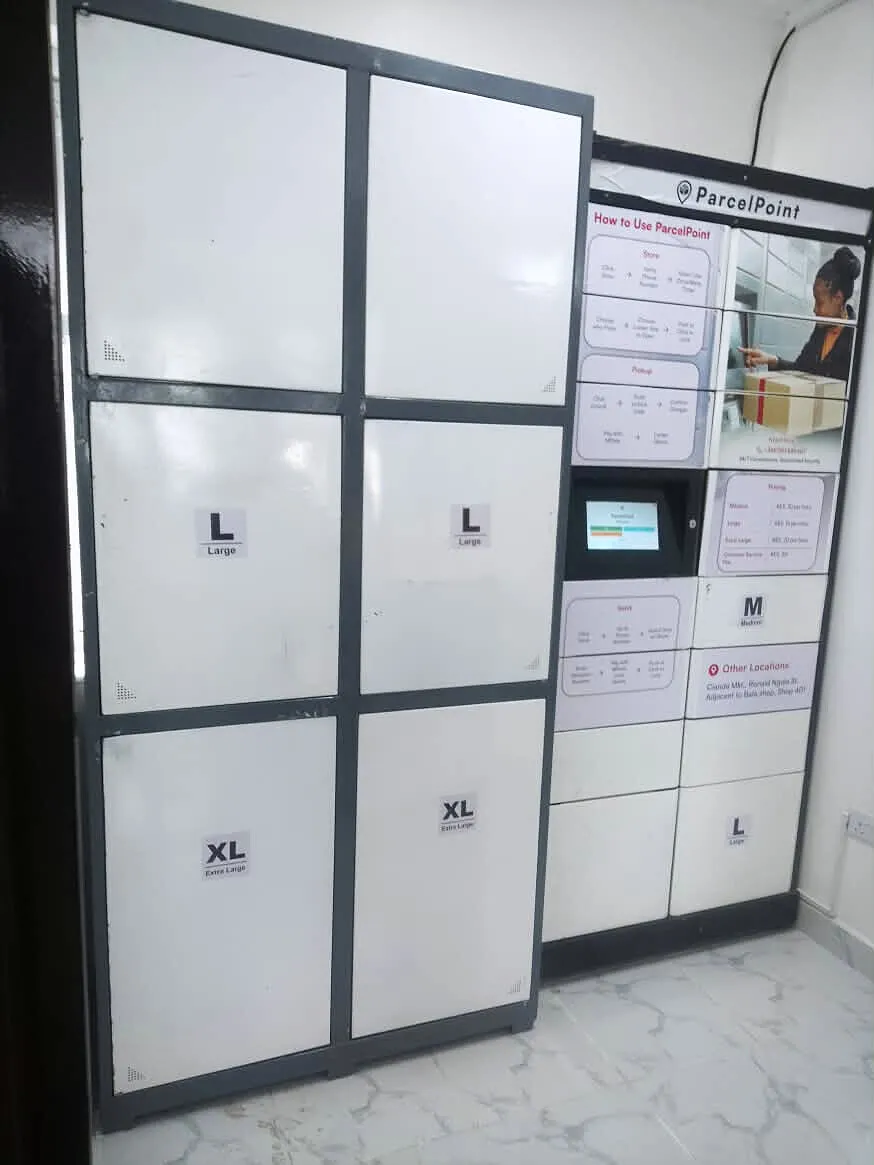
ParcelPoint
Parcel lockers designed for busy people: four steps, under 30 seconds, and resilient.
Other services
Hardware
Schematics and PCB layout in KiCad, enclosures in SolidWorks, and contractors for fabrication when a build needs to move faster.
IoT systems
Cellular devices, Go backends, message brokers, dashboards and the apps owners and operators use, plus M‑Pesa payments.
HMI
Qt 6 and QML interfaces for kiosks and machines, the Linux images they boot into, and LVGL for microcontroller displays.
Contact
Tell us what you are building
Send a short description of the product, where it stands today and your timeline. We reply within one working day.
Use the contact form