Aquagate
Hardware design
Boards and enclosures designed for the firmware that runs on them.
The same team designs the board, writes its firmware and installs it, so the hardware is shaped by what the firmware and the installer need: the right test points, clear terminal labels and room for the antenna.
PCB design
Every board we have shipped was designed in KiCad, from component choice to fabrication files.
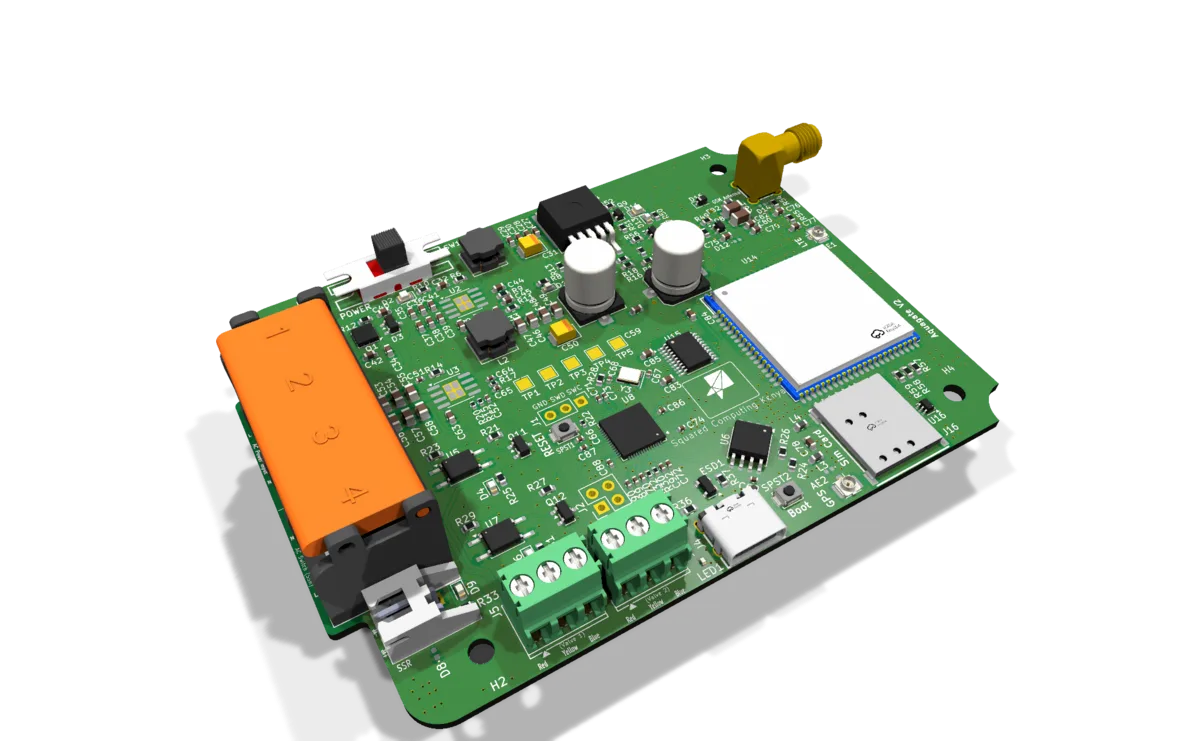
- Aquagate V2: RP2040, A7670E LTE modem, valve drivers and an AC switch
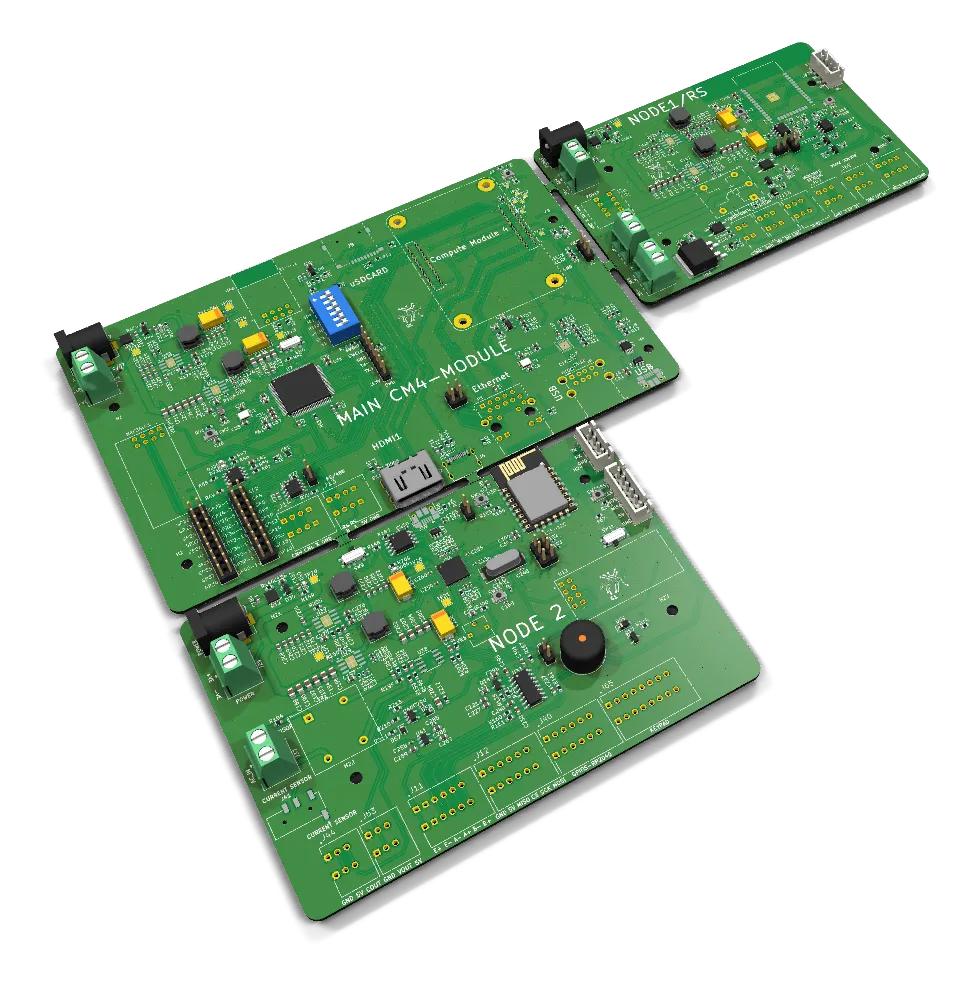
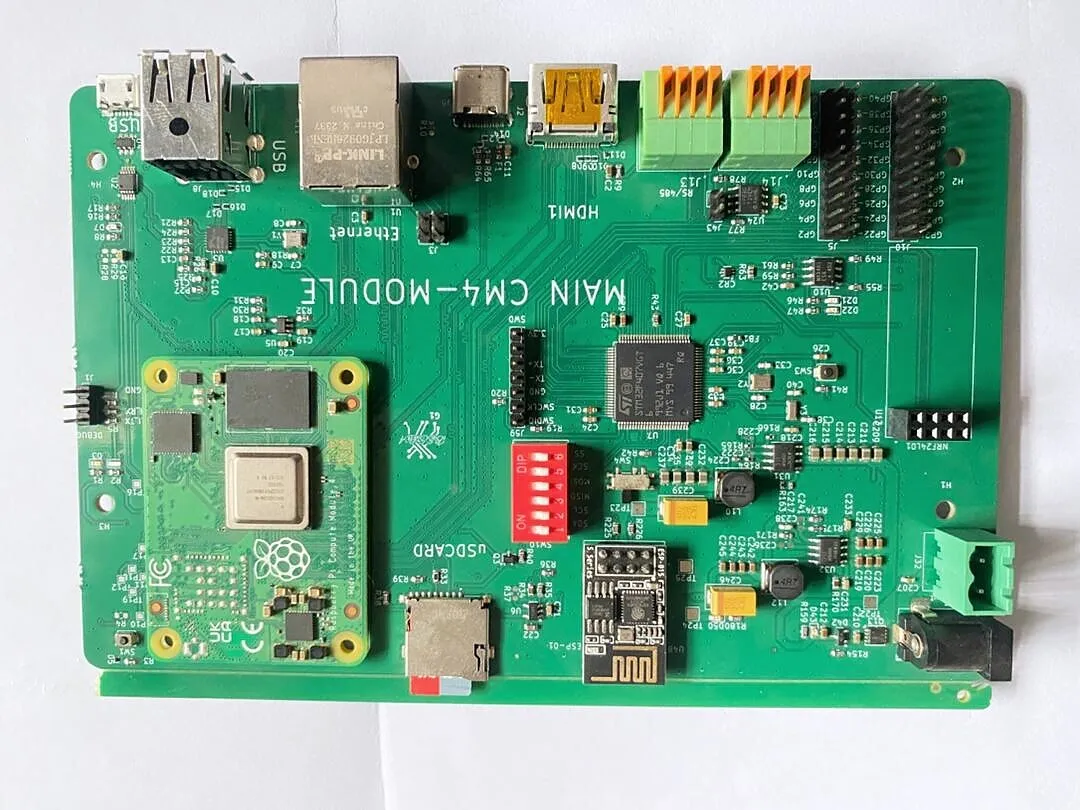
- SQOasis: a Raspberry Pi CM4 carrier with an STM32F407 bridge, plus two node boards
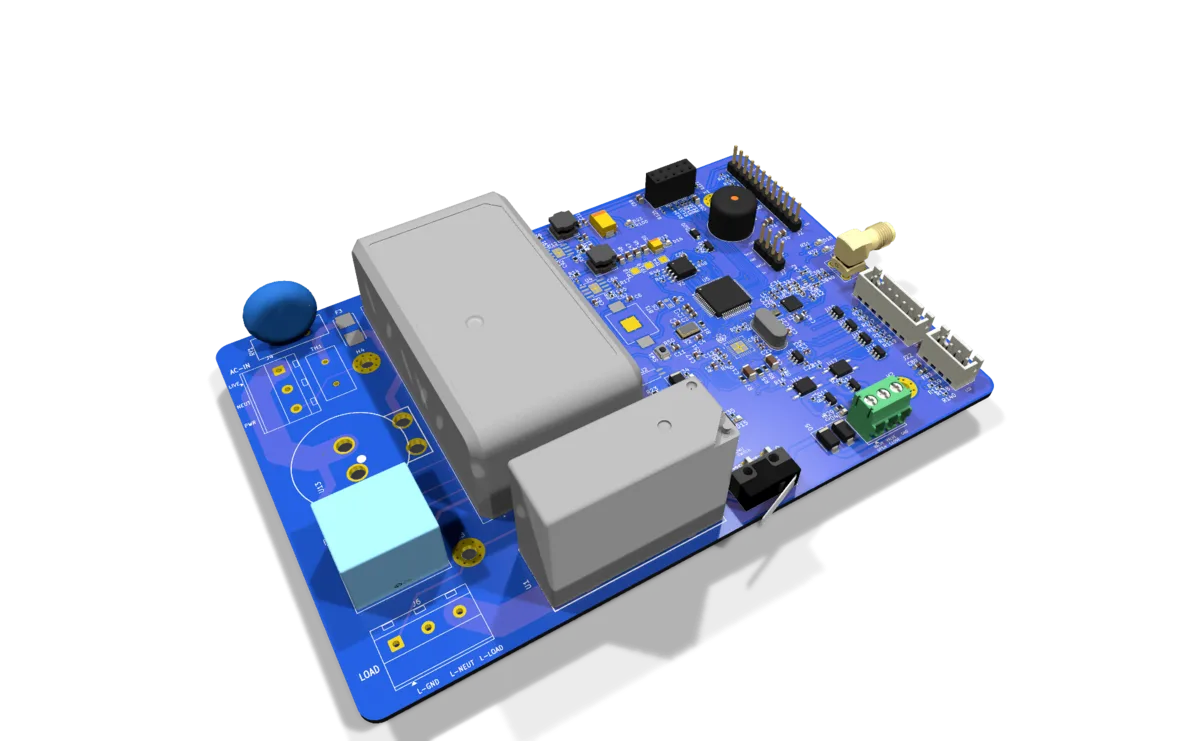
- SQMeter: an isolated mains front end with an ADE7953 metering IC, a latching relay and an SX1262 LoRa radio
Where we've done thisAquagate case studySQOasis case studySQMeter case study
Enclosures and mechanical design
We design enclosures around the board rather than fitting a board into a stock box, and plan for how the unit will be mounted, wired and serviced.
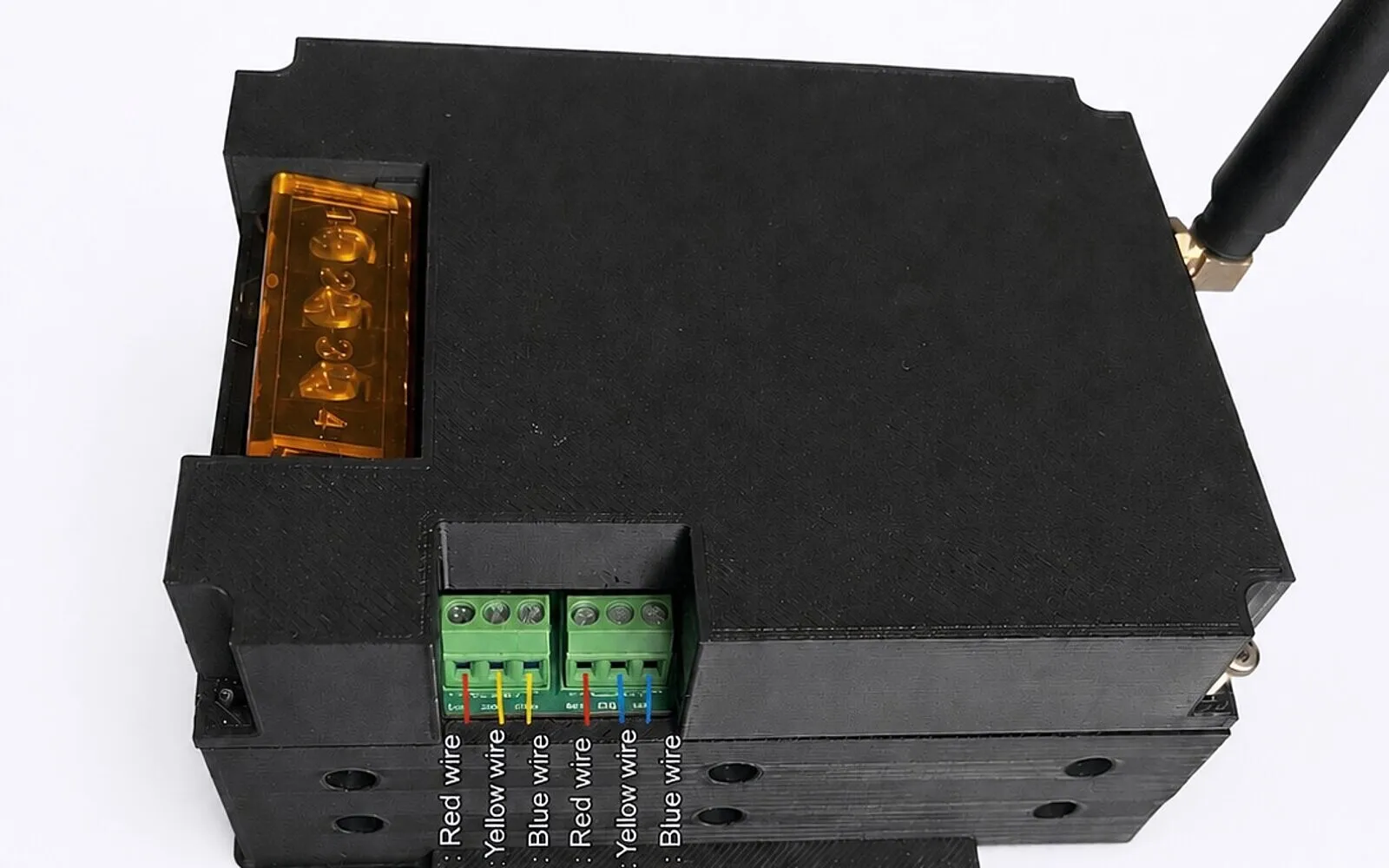
- A SolidWorks enclosure designed around the Aquagate PCB and 3D-printed
- Labelled terminals so an installer can wire a unit without the manual
- Fabrication and assembly by trusted contractors when a build needs more hands
Where we've done thisAquagate enclosure
Power and mains
Our products switch and measure mains loads, so isolation and protection are designed in from the first schematic.
- Switched AC outputs on a covered terminal block (Aquagate)
- Isolated metering front end and latching relay (SQMeter)
- A multi-output linear bench supply, documented step by step
Where we've done thisSQMeter case studyMulti-output DC supply
Tools we use for this
- KiCad 9 and 10
- SolidWorks
- 3D printing
- RP2040
- STM32
- Raspberry Pi CM4
- SIMCom A7670E
- ADE7953
- SX1262
Related work
SQMeter
Prepaid metering for buildings that share one supply.
SQOasis
Four transports, one bridge, one touchscreen.
Other services
Firmware
Zephyr and bare-metal firmware for STM32, RP2040 and ESP32, and embedded Linux images for Raspberry Pi and BeagleBone class boards.
IoT systems
Cellular devices, Go backends, message brokers, dashboards and the apps owners and operators use, plus M‑Pesa payments.
HMI
Qt 6 and QML interfaces for kiosks and machines, the Linux images they boot into, and LVGL for microcontroller displays.
Contact
Tell us what you are building
Send a short description of the product, where it stands today and your timeline. We reply within one working day.
Use the contact form