ParcelPoint
Connected products
Devices, backends and apps, built as one system.
A connected product is only as good as its weakest link. We build all of them, so one message schema can run from the firmware through the backend to the app, and a fault can be traced end to end.
End-to-end products
We run two connected products of our own in the field, and a third in pilot.
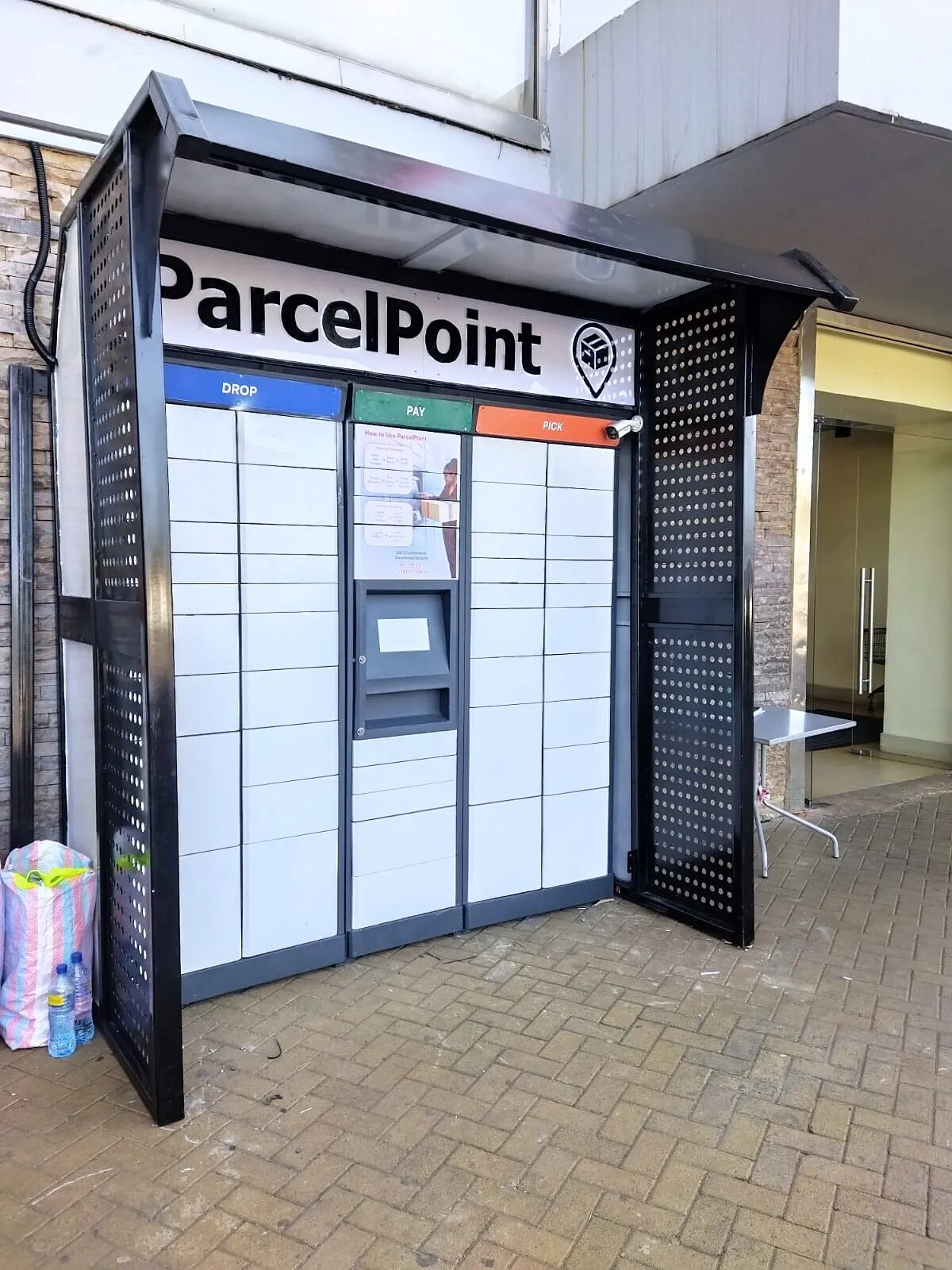
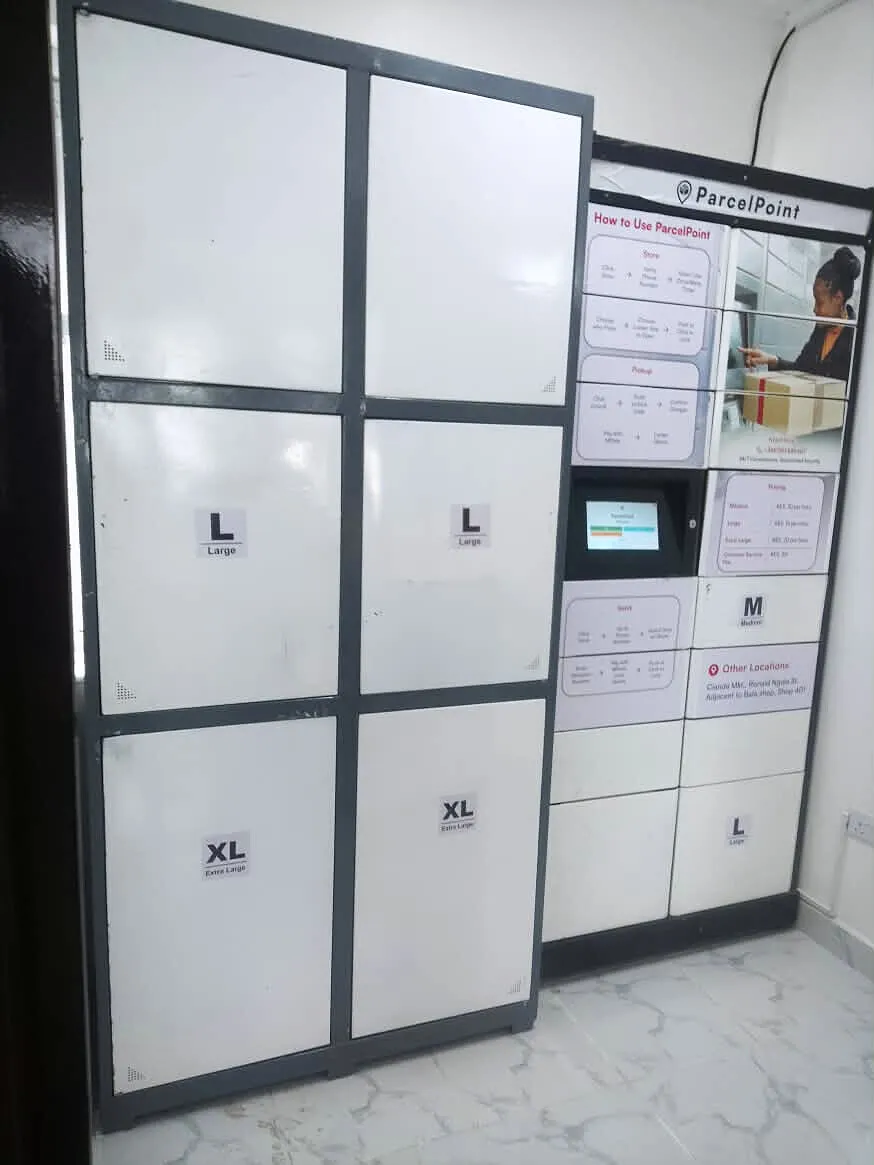
- ParcelPoint: kiosks, lock controllers, backend, payments and an admin app
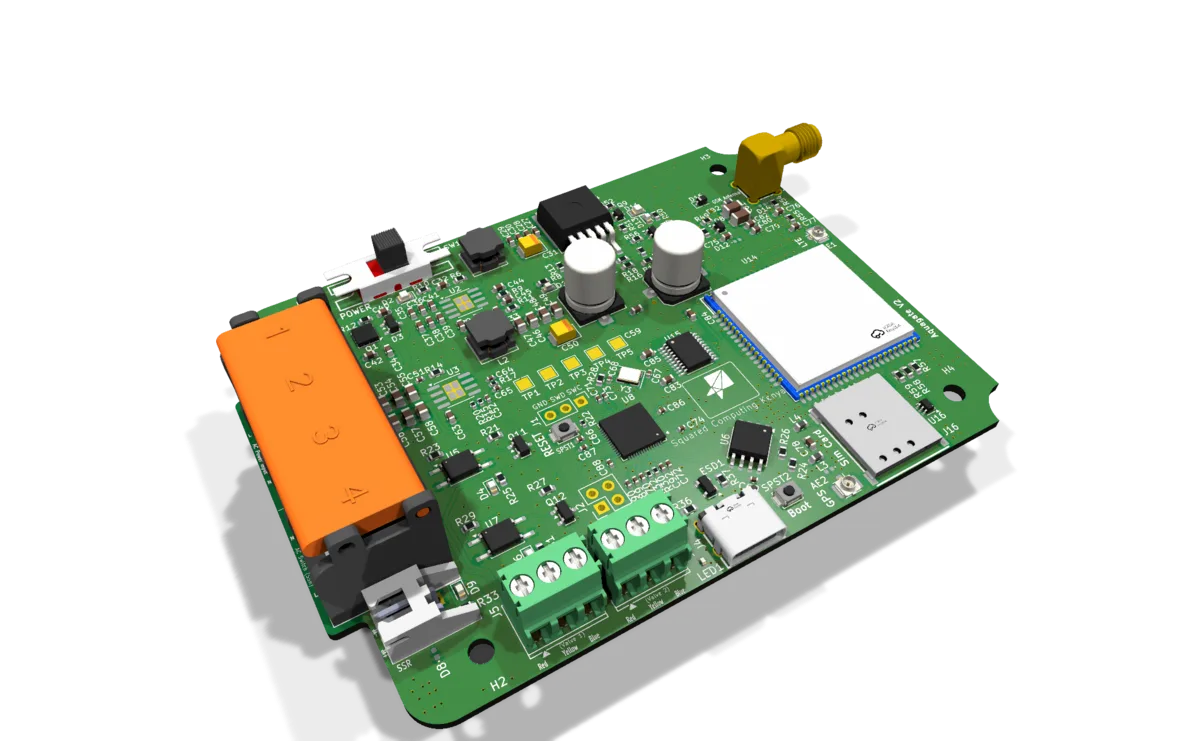
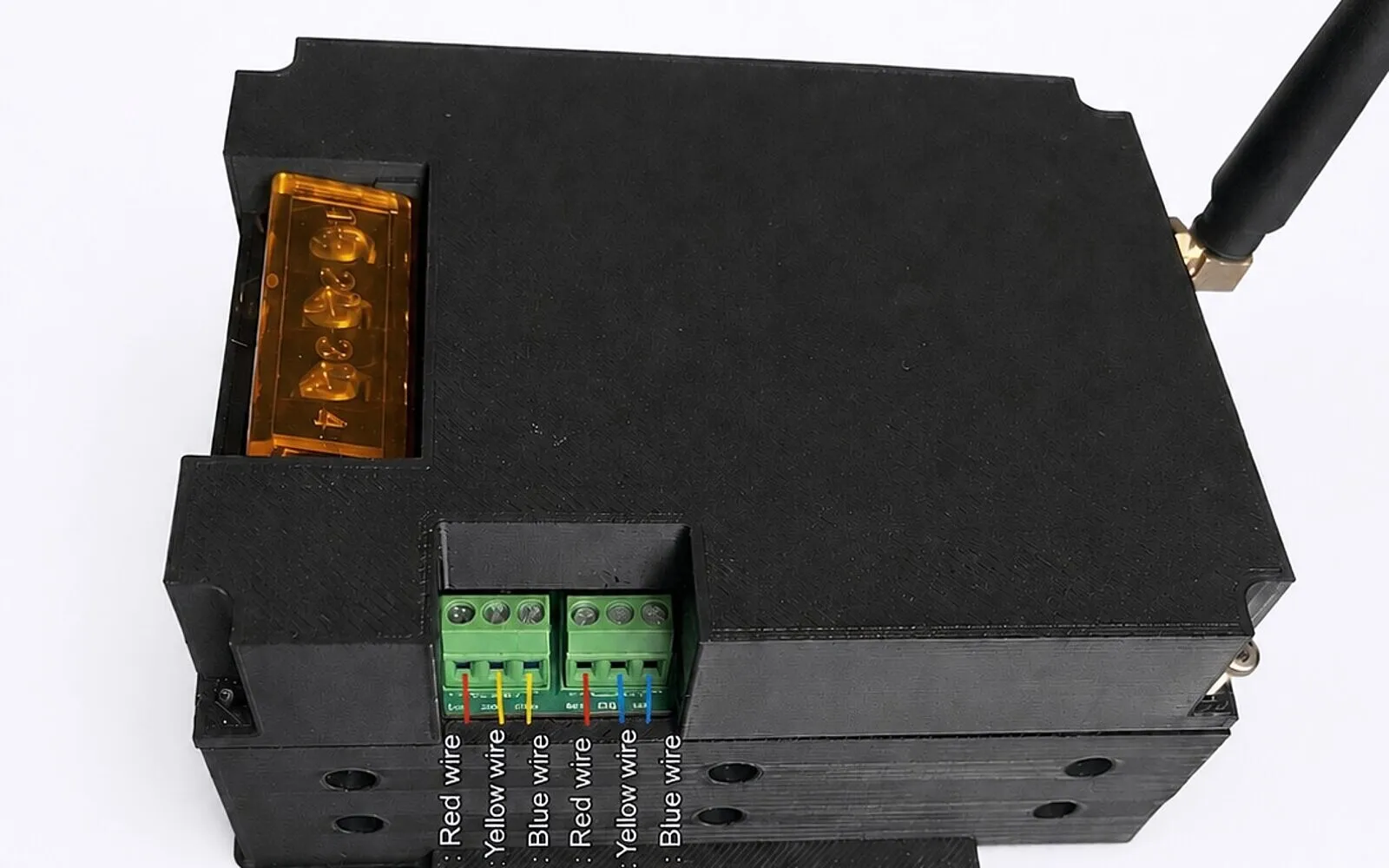
- Aquagate: LTE controller, backend, telemetry and an owner app
- SQMeter: prepaid metering built on the Aquagate platform
Where we've done thisParcelPoint case studyAquagate case studySQMeter case study
Backends and messaging
Backends in Go, with the messaging chosen to fit the device.
- Go and Gin services with PostgreSQL
- RabbitMQ (AMQP) between kiosks and the backend; MQTT for cellular devices
- Protocol Buffers schemas shared with the firmware
- InfluxDB and Grafana for fleet telemetry
Where we've done thisParcelPoint case studyAquagate case study
Connectivity
We pick the link for the site, not the other way round.
- LTE Cat-1 for sites without Wi-Fi
- RS485 and CAN for wired equipment
- nRF24 radio and Wi-Fi between sensor nodes
- LoRa radio hardware on the SQMeter board
Where we've done thisSQOasis case studyCAN-SPI bridges
Apps and payments
The apps are where customers meet the product, so they get the same care as the firmware.
- React and Capacitor apps for Android and the web
- Claim-by-QR-code onboarding for devices
- Qt 6 on Android, including our own barcode and QR scanner
- M‑Pesa payments inside the customer flow
Where we've done thisQt barcode scanner on AndroidParcelPoint case study
Tools we use for this
- Go
- Gin
- PostgreSQL
- RabbitMQ
- MQTT
- Protocol Buffers
- InfluxDB
- Grafana
- React
- Capacitor
- M‑Pesa
- LTE Cat-1
Related work
Aquagate
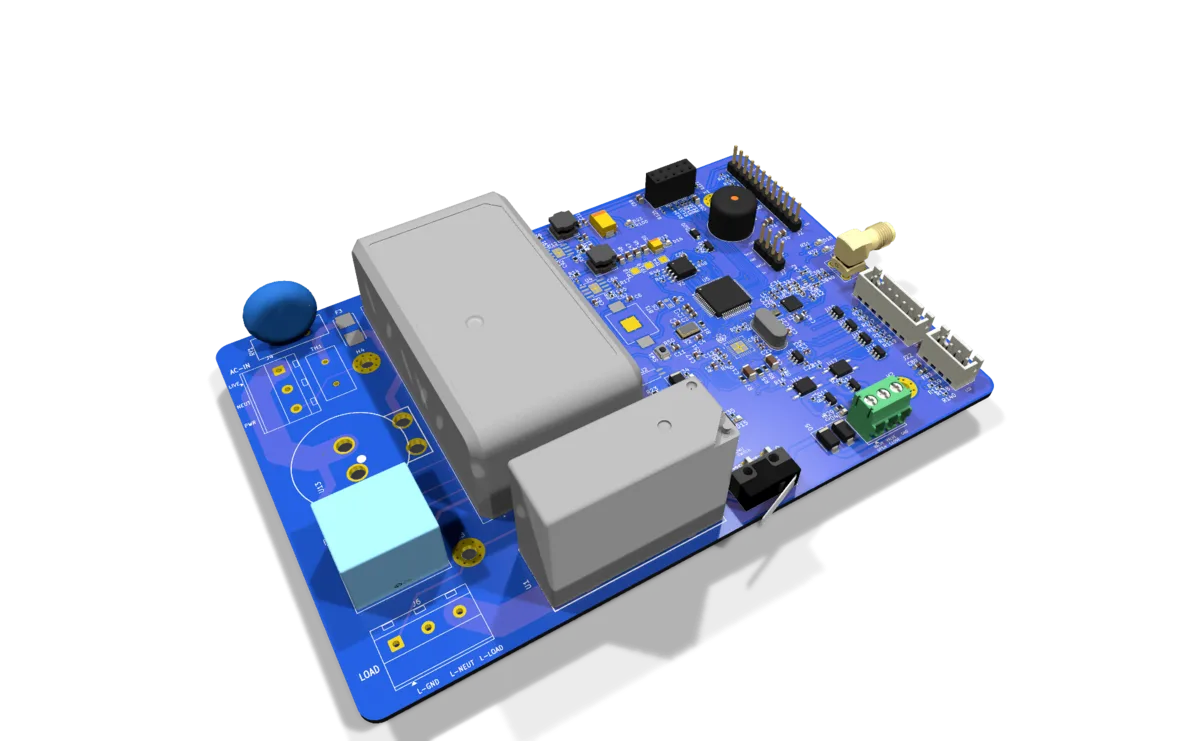
Simple remote control for water and AC mains over resilient LTE.
SQMeter
Prepaid metering for buildings that share one supply.
Other services
Firmware
Zephyr and bare-metal firmware for STM32, RP2040 and ESP32, and embedded Linux images for Raspberry Pi and BeagleBone class boards.
Hardware
Schematics and PCB layout in KiCad, enclosures in SolidWorks, and contractors for fabrication when a build needs to move faster.
HMI
Qt 6 and QML interfaces for kiosks and machines, the Linux images they boot into, and LVGL for microcontroller displays.
Contact
Tell us what you are building
Send a short description of the product, where it stands today and your timeline. We reply within one working day.
Use the contact form